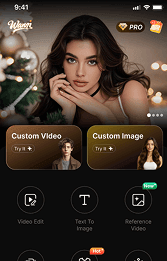




In August 2026, the AI video generation field reaches a significant milestone. Alibaba Tongyi Lab’s next-generation video generation model, Wan 3.0, has entered public beta, and Wann — a platform focused on high-quality, character-consistent AI creation — is about to officially integrate this model. For creators seeking longer narratives, stronger realism, and more flexible input methods, this is a highly anticipated upgrade.
🍅Why Wan 3.0 Deserves Attention
The Wan series has drawn attention since the open-source releases of versions 2.1 and 2.2 for its excellent motion fluency, character consistency, and open ecosystem. By the 2.7 stage, the model had already matured in areas such as 1080P output, native audio synchronization, and multimodal references. Wan 3.0 builds on this foundation with clearer advances:
- Single-generation clips up to 30 seconds: Previously, mainstream models (including Wan 2.7) were mostly limited to around 15 seconds per clip, forcing creators to generate multiple short segments and stitch them together in post-production. Wan 3.0 supports complete single-pass generation from 2 to 30 seconds, making short narratives with a beginning, development, and ending possible. This is especially suitable for ads, short dramas, product showcases, and emotional short films.
- Native synchronized audio generation: Dialogue, ambient sound, sound effects, and background music can be generated together with the visuals in a single pass, reducing the need for post-production dubbing and lip-sync work.
- Stronger multimodal and universal reference capabilities: Beyond text, images, audio, and video, it now supports document-type inputs (such as PPT, PDF, Excel, and Markdown). This means you can feed the model planning documents, storyboards, product descriptions, or even web content directly, turning the idea of “anything can generate video” from a slogan into a practical feature.
- Improved realism and detail: Early user feedback consistently notes finer rendering of facial features, skin, materials, and lighting. Character and prop identity remain more stable across longer shots, and the overall cinematic aesthetics feel closer to professional filming.
These upgrades are not merely parameter stacking — they directly address the biggest pain points in current AI video creation: insufficient length, broken narratives, heavy post-production workload, and limited input methods.
🥝What Wan 3.0 Integration Means for the Wann Platform
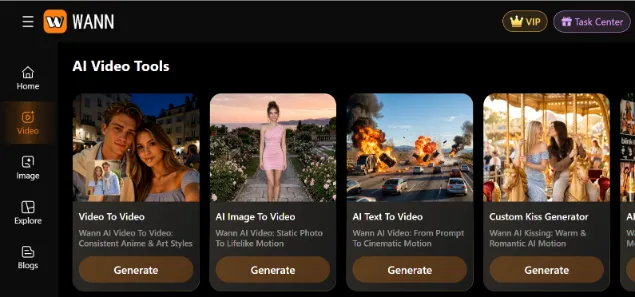
Wann has long emphasized “character consistency” and professional-grade output. The platform already offers Text-to-Video, Image-to-Video, video editing, motion control, extensive templates, watermark-free high-definition exports, and strong creation efficiency. After integrating Wan 3.0, users can expect:
- Greater freedom in single-shot creation
Creators no longer need to split a complete idea into multiple short generations and then stitch them. This is ideal for complete short-drama segments, ad script execution, and dynamic product demonstrations. - Stronger character and scene locking
Combining Wann’s existing consistency engine with Wan 3.0’s reference capabilities allows the same character, clothing, and space to remain stable within a 30-second clip or even across shots — highly valuable for series content, IP creation, and brand asset development. - Input methods closer to real workflows
Creators can upload storyboard PPTs, product documents, reference videos, and audio directly, reducing the intermediate step of “translating ideas into prompts.” Both professional teams and individual creators can get started faster. - Higher efficiency with integrated audio-visual results
Native audio support means the generated output is closer to a usable semi-finished product, requiring only fine-tuning rather than building the sound layer from scratch.
For Wann’s user base — whether creators needing high character consistency for animation, short-video and advertising teams, or content producers focused on rapid output — this represents a meaningful leap in experience.
🍓Current Status and Launch Timeline
According to public information, Wan 3.0 has already entered public beta on Alibaba Cloud Bailian, related Wanxiang platforms, and Qwen creation tools. API pricing is approximately $0.05 per second for 480P, $0.10 per second for 720P, and $0.20 per second for 1080P (subject to official confirmation), with full API access rolling out gradually. As a creator-oriented integrated platform, Wann is actively adapting and testing the model and is expected to add Wan 3.0 to its model list soon, allowing users to call it directly within the familiar interface.
It is worth noting that claims of “native 4K,” “60 fps,” or “60-second clips” appear frequently on some third-party sites. However, official information and reliable early experiences focus more on 30-second single-pass generation, 1080P-level realism, multimodal references, and document inputs. The actual features and parameters available on the Wann platform upon launch will be the most accurate reference.
💫What Creators Can Do Now
- Follow the Wann official website and announcements: Stay updated on model launch progress and any changes in usage quotas.
- Prepare materials in advance: Gather character reference images, key props, storyboard documents, or reference videos so you can test long-form generation as soon as the model goes live.
- Experiment with more complete prompt structures: Shift from single-shot descriptions to full narrative prompts covering scene structure (beginning–development–ending), camera movement, emotional rhythm, and sound atmosphere to better leverage the 30-second capability.
- Run comparison tests: Once available, generate the same theme with both Wan 2.7 and Wan 3.0 to directly experience differences in duration, consistency, and audio synchronization.
🌸Conclusion
AI video is evolving from “generating a few impressive seconds” to “supporting complete short narratives and professional workflows.” Wan 3.0’s 30-second single-pass capability, native audio, and more open input methods represent an important step in this transition. By integrating the model promptly, Wann — a platform that prioritizes consistency and creation efficiency — enables users to experience the potential of this new generation earlier and more smoothly.
We look forward to Wann officially launching Wan 3.0, so more creators can turn ideas into publishable videos with less post-production and more complete storytelling. Keep an eye on the Wann website and related updates, and be ready to try it as soon as it goes live.





'%20fill-opacity='.4'/%3e%3cpath%20d='M29.07%2012c.982%200%201.473%200%201.88.194.35.166.667.457.863.79.23.389.27.859.354%201.797.27%203.072.518%207.922-.297%2010.472-1.03%203.22-5.8%206.507-8.257%208.023-.477.295-.715.441-1.038.515a2.227%202.227%200%200%201-.868.006c-.324-.07-.565-.215-1.046-.504-2.512-1.51-7.435-4.811-8.478-8.04-.888-2.752-.622-7.52-.327-10.524.09-.914.135-1.372.365-1.757.196-.327.516-.617.86-.78.407-.193.89-.192%201.853-.192H29.07z'%20fill='var(--fill-0,%20%23FD7F11)'/%3e%3cpath%20d='M26.337%2017.75a.854.854%200%200%201%201.212-.11.872.872%200%200%201%20.11%201.218l-6.088%207.392a.855.855%200%200%201-1.2.122l-.07-.063-3.906-3.944a.871.871%200%200%201%200-1.222.853.853%200%200%201%201.216%200l3.24%203.268%205.486-6.66z'%20fill='var(--fill-0,%20white)'/%3e%3c/svg%3e)