



Let’s be real: if you run an e-commerce brand, clothing line, or drop-shipping store, you already know that visuals are everything. Your customers can’t touch the fabric or try on the fit, so your product photos have to do 100% of the selling.
But traditional fashion photoshoots are a logistical nightmare. You have to book a model, hire a photographer, scout a location, rent lighting gear, and pray the weather holds up. By the end of the day, you’ve blown thousands of dollars just to get a handful of decent shots for your product page.
What if you could skip all of that?
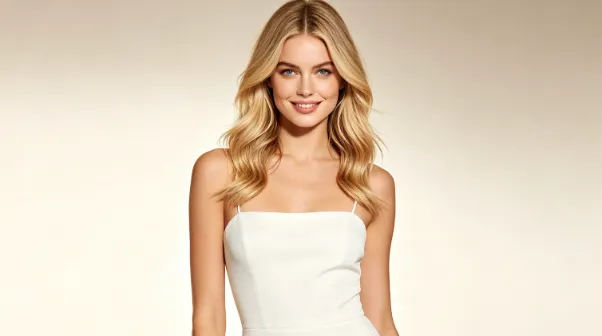
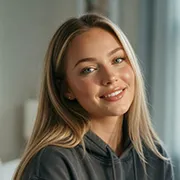
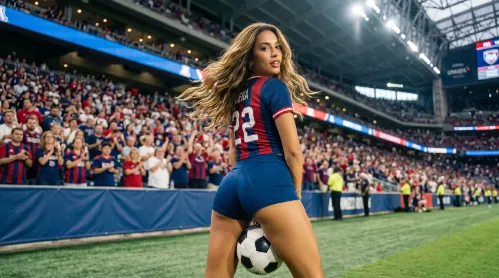
Thanks to the rapid evolution of AI image generation, the era of the $0 photoshoot is here. Today, you can take a basic, flat-lay photo of a t-shirt or a dress and use AI to generate ultra-realistic, high-end editorial shots featuring diverse models in any location on earth.
Here is exactly how you can completely revolutionize your e-commerce visuals without spending a dime on production.
😎The E-Commerce Game-Changer: Virtual Try-On
A few years ago, AI images looked like, well, AI. Fingers were weird, fabrics looked like plastic, and the lighting was completely unnatural.
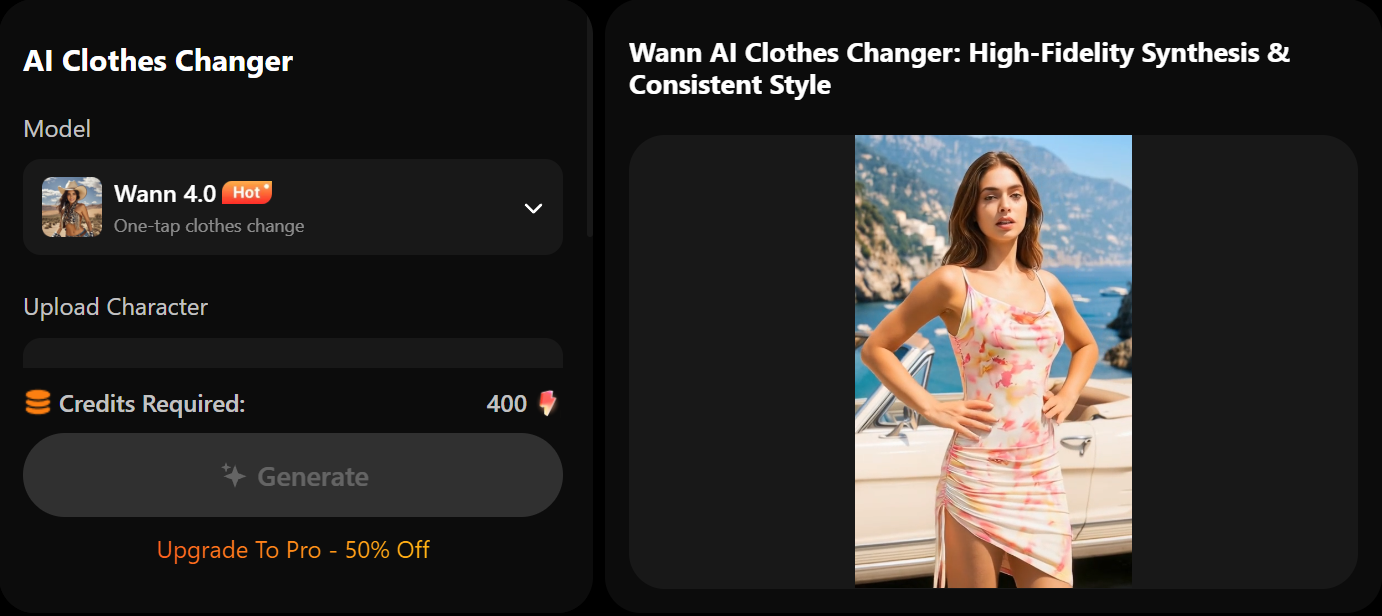
But with the latest image models — Wann.ai, the technology has shifted from "fun gimmick" to "enterprise-grade tool." The current trend dominating the e-commerce space is Precision Inpainting and Virtual Try-On (VTON).
Instead of generating a random image from scratch, you provide a source image of your actual product, and the AI seamlessly maps it onto a generated human model, matching the exact lighting, draping, and shadows.
👏The Step-by-Step AI Photoshoot Pipeline
Ready to ditch the photography studio? Here is the basic workflow to get flawless model shots.
👉Step 1: The "Ghost" Shot
You still need a starting point. Take a clean, well-lit photo of your garment. This can be a "flat lay" (laid out flat on a white table) or a "ghost mannequin" shot (where the clothes are on a mannequin, but the mannequin is edited out). Make sure the true color and texture are clearly visible.
👉Step 2: Choose Your AI Model
To get the garment onto a person, you’ll want to use tools designed for structure control.
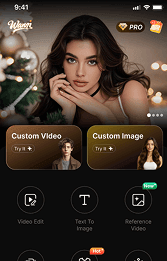
For Beginners: Platforms like Wann.ai or specialized AI fashion apps have plug-and-play "AI Model" features. You just upload your flat lay, pick a model face, and hit generate.
For Advanced Control: If you want absolute perfection, using a local or cloud-based Stable Diffusion setup with IP-Adapter and ControlNet allows you to keep the exact branding and fabric details intact while generating the model around the clothes.
👉Step 3: Prompting the Perfect Scene
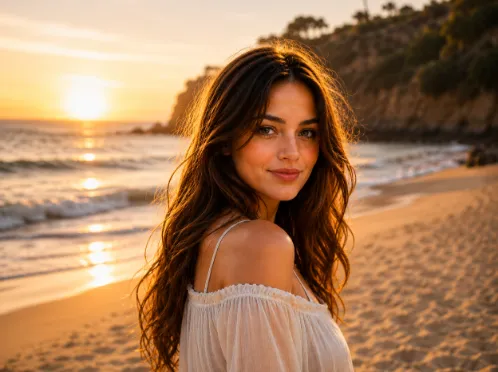
This is where you save money on location scouting. Once the garment is mapped to a character, you dictate the vibe. Want a moody, cinematic street style? Or a bright, sunny beach aesthetic?
Try a prompt like this:
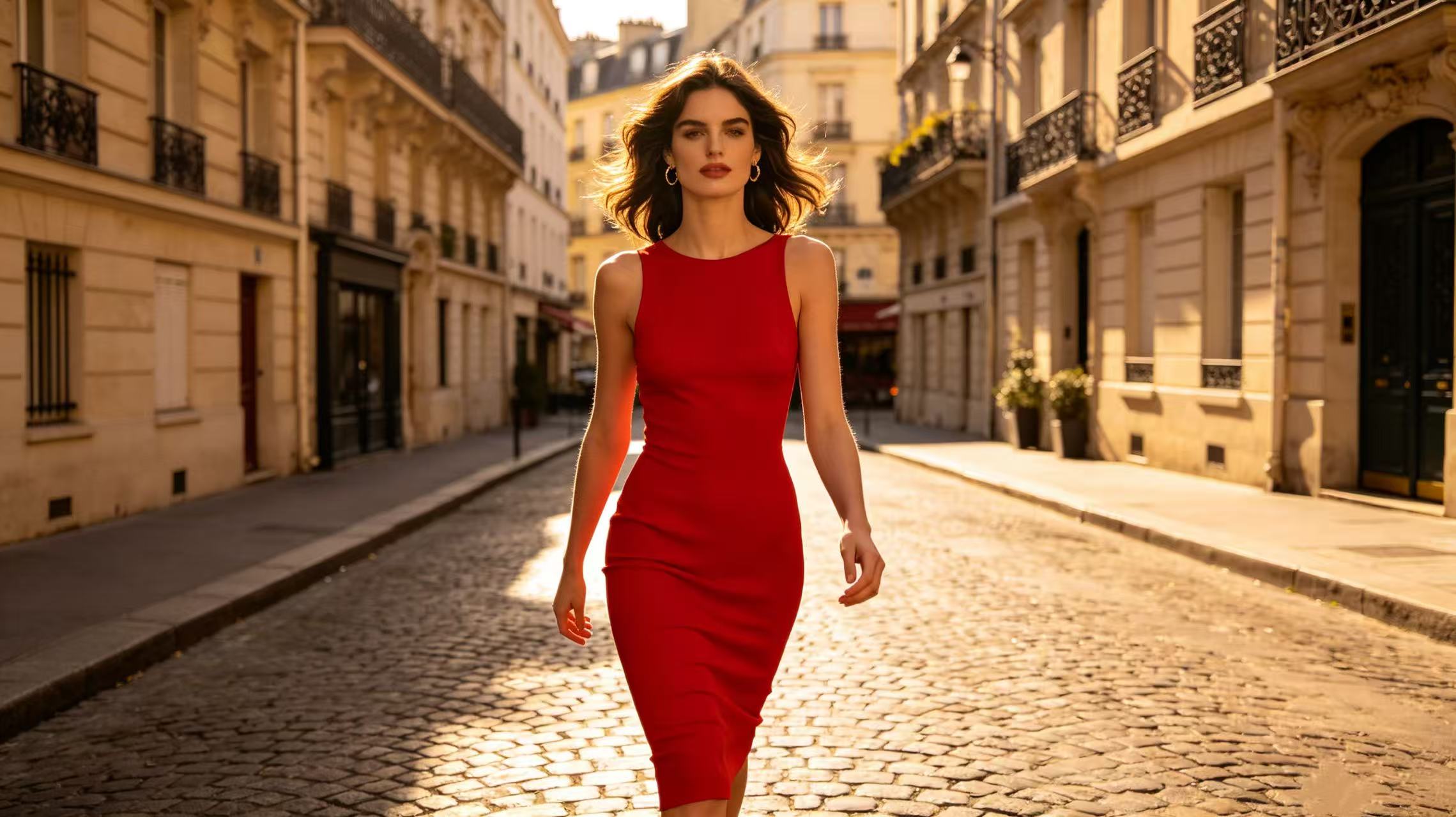
A photorealistic medium shot of a stylish 25-year-old woman wearing [insert your garment], walking down a cobblestone street in Paris during golden hour. Cinematic lighting, shot on 35mm lens, slight film grain, highly detailed, Vogue editorial style.
👉Step 4: Scale and Automate (Pro-Tip)
If you're running a massive product catalog, doing this one by one can still eat up your time. You don't have to manually prompt every single shirt. You can set up automated AI workflows using integration protocols like OpenClaw to string these generation tools together. By automating the pipeline, you can upload a folder of 100 flat-lay product shots and have the system output 500 diverse, location-specific model shots while you sleep.
😮Why You Need to Start Doing This Today
· A/B Test Demographics Instantly: Does your jacket sell better when modeled by a man in his 20s or a man in his 40s? Does it convert better on a beach or in a snowy cabin? AI lets you test these variables instantly without shooting new content.
· Inclusivity at Scale: You can generate models of different sizes, ethnicities, and ages wearing the exact same item, allowing every customer to see themselves in your product.
❤️Final Words
The barrier to entry for high-end e-commerce has never been lower. You no longer need a massive marketing budget to look like a premium, luxury brand. By mastering the AI fashion photography pipeline, you can flood your website, Instagram, and TikTok with stunning, editorial-quality content—all from the comfort of your laptop.


'%20fill-opacity='.4'/%3e%3cpath%20d='M29.07%2012c.982%200%201.473%200%201.88.194.35.166.667.457.863.79.23.389.27.859.354%201.797.27%203.072.518%207.922-.297%2010.472-1.03%203.22-5.8%206.507-8.257%208.023-.477.295-.715.441-1.038.515a2.227%202.227%200%200%201-.868.006c-.324-.07-.565-.215-1.046-.504-2.512-1.51-7.435-4.811-8.478-8.04-.888-2.752-.622-7.52-.327-10.524.09-.914.135-1.372.365-1.757.196-.327.516-.617.86-.78.407-.193.89-.192%201.853-.192H29.07z'%20fill='var(--fill-0,%20%23FD7F11)'/%3e%3cpath%20d='M26.337%2017.75a.854.854%200%200%201%201.212-.11.872.872%200%200%201%20.11%201.218l-6.088%207.392a.855.855%200%200%201-1.2.122l-.07-.063-3.906-3.944a.871.871%200%200%201%200-1.222.853.853%200%200%201%201.216%200l3.24%203.268%205.486-6.66z'%20fill='var(--fill-0,%20white)'/%3e%3c/svg%3e)