


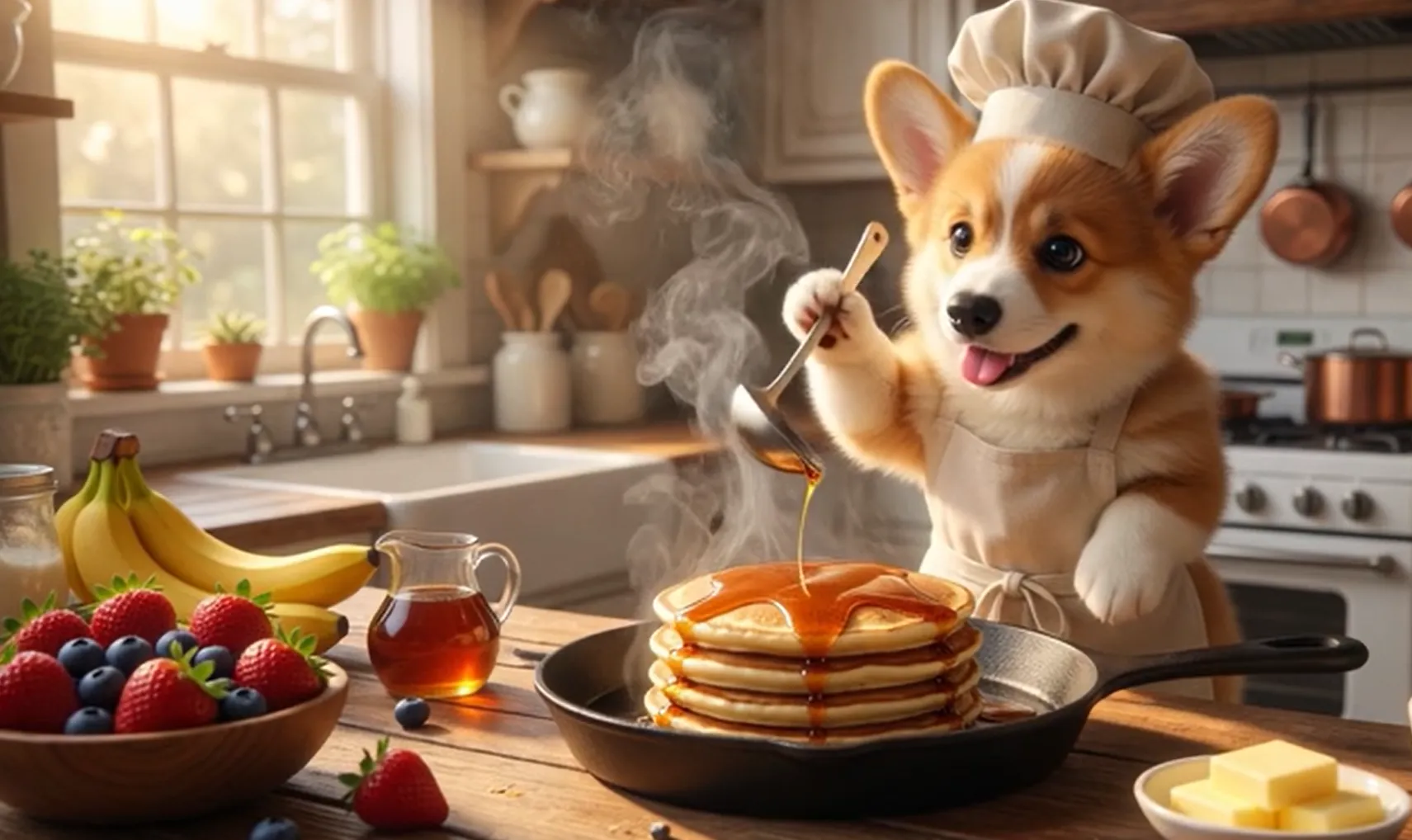

Some of the most heartwarming AI videos on social media don't feature superheroes, futuristic cities, or spectacular visual effects. Instead, they capture something much simpler—a cat carefully frying an egg, a rabbit quietly preparing breakfast, or a tiny bear serving a freshly cooked meal with surprising concentration. These scenes feel charming because they combine everyday routines with unexpected characters, creating moments that are both playful and believable.
What makes these videos so memorable isn't the animal itself. It's the feeling that the character genuinely belongs in the kitchen. Every movement, every cooking step, and every small detail contributes to a story that feels warm, familiar, and surprisingly real.Creating that feeling starts long before writing a prompt. It begins with imagining who the chef is and what kind of story they're about to tell.
AI Animal Chef Scene Creation Guide
| Section | Core Details |
|---|---|
| Animal Chef Personality | • A compelling animal cooking scene is not just an animal beside cookware. Viewers connect with characters that truly love cooking. • Personality shapes cooking actions:Curious orange cat → closely watches simmering eggsPatient golden retriever → proudly carries freshly baked breadMeticulous raccoon → carefully decorates desserts • Temperament dictates movement rhythm. Frame cooking as the character’s daily routine to make fantasy scenes believable. |
| Cozy Kitchen Environment | • The kitchen is more than backdrop; it establishes overall mood. • Warm, lived-in kitchen details: wooden countertops, hanging cookware, window sunlight, fresh vegetables, steaming pans, organized ingredients. The setting builds story before cooking begins. • Fantasy characters feel more convincing within ordinary, realistic spaces rather than surreal environments. |
| Captivating In-Between Moments | • Viewers rarely remember the finished food, but cherish subtle cooking snippets.Examples: cat stirring eggs and pausing to check the pan, rabbit reaching for a spoon, puppy presenting breakfast. • These quiet moments set natural pacing, drawing focus to the character. • Cooking becomes a performance, with personality as the core highlight. |
Turning a Simple Idea into a Complete Scene
3D Pixar-style animation, anthropomorphic fluffy white rabbit chef wearing a small linen apron, in a warm cozy lived-in farmhouse kitchen. Soft natural sunlight streams through wooden window. The rabbit carefully chopping green vegetables on wooden cutting board, then transfers vegetables into a hot wok, stir-frying gently. Slow subtle natural movements, calm focused personality, small lifelike details: vegetable scraps on counter, rising faint steam from wok. Heartwarming peaceful atmosphere, cinematic soft lighting, realistic fur texture, detailed kitchen props, Octane render, 8K, smooth animation, 10 seconds, medium shot
The Story Is Always More Important Than the Prompt
Many creators spend hours searching for better keywords, hoping the next prompt will magically produce a more engaging video. In reality, the biggest improvement usually comes from thinking less about the prompt itself and more about the experience you want viewers to have.
A successful animal chef video doesn't succeed because the fur looks realistic or because the kitchen contains beautiful lighting. It succeeds because viewers begin to believe that this tiny chef genuinely loves cooking. Every glance toward the pan, every careful movement, and every finished meal reinforces that illusion.
The most memorable AI animal cooking videos aren't really about animals making food. They're about creating a small, comforting story that people want to watch from beginning to end. When the character feels alive and the kitchen feels like home, the prompt stops being a technical instruction and becomes the beginning of a delightful little film.



'%20fill-opacity='.4'/%3e%3cpath%20d='M29.07%2012c.982%200%201.473%200%201.88.194.35.166.667.457.863.79.23.389.27.859.354%201.797.27%203.072.518%207.922-.297%2010.472-1.03%203.22-5.8%206.507-8.257%208.023-.477.295-.715.441-1.038.515a2.227%202.227%200%200%201-.868.006c-.324-.07-.565-.215-1.046-.504-2.512-1.51-7.435-4.811-8.478-8.04-.888-2.752-.622-7.52-.327-10.524.09-.914.135-1.372.365-1.757.196-.327.516-.617.86-.78.407-.193.89-.192%201.853-.192H29.07z'%20fill='var(--fill-0,%20%23FD7F11)'/%3e%3cpath%20d='M26.337%2017.75a.854.854%200%200%201%201.212-.11.872.872%200%200%201%20.11%201.218l-6.088%207.392a.855.855%200%200%201-1.2.122l-.07-.063-3.906-3.944a.871.871%200%200%201%200-1.222.853.853%200%200%201%201.216%200l3.24%203.268%205.486-6.66z'%20fill='var(--fill-0,%20white)'/%3e%3c/svg%3e)